
1. Introduction to Structured Prompt Engineering
The evolution of generative AI has reached a critical juncture where “black-box” conversational prompting – relying on loose, natural language instructions – is no longer sufficient for high-stakes professional applications. In fields such as digital preservation and archival restoration, there is a strategic shift towards structured, rule-based apps.
ConservationLAB was created as short or vague prompts forces generative AI models to fill in missing context using statistical averages and training defaults, which frequently produces generic clichés, unpredictable compositions, or visual and factual errors, generally known as ‘AI Slop’.
If you have any ‘distressed’ images on file or B/W ones you’d like to colour.
1.Just run the programme and use the default settings until you’ve read the Manuals.
2. Open a browser and use ChatGPT or Nano Banana
3. Copy the Prompt from the Conservation Prompt Builder, and drop it in the AI input field
4. Drop the image into the AI input field
5. Then set it off to do its’ thing, takes about 85 seconds.
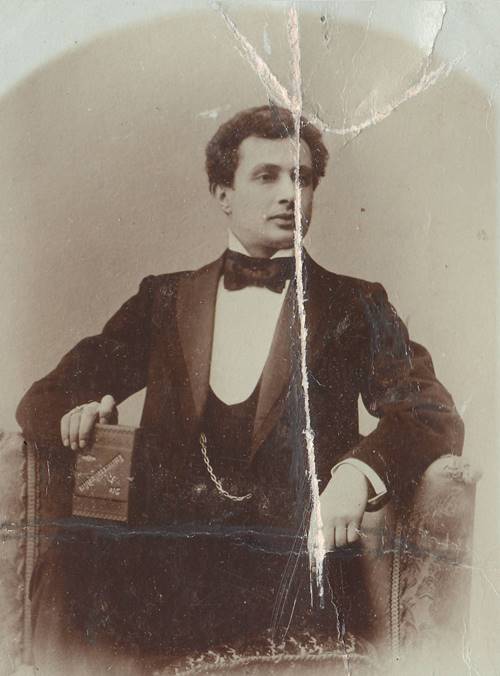
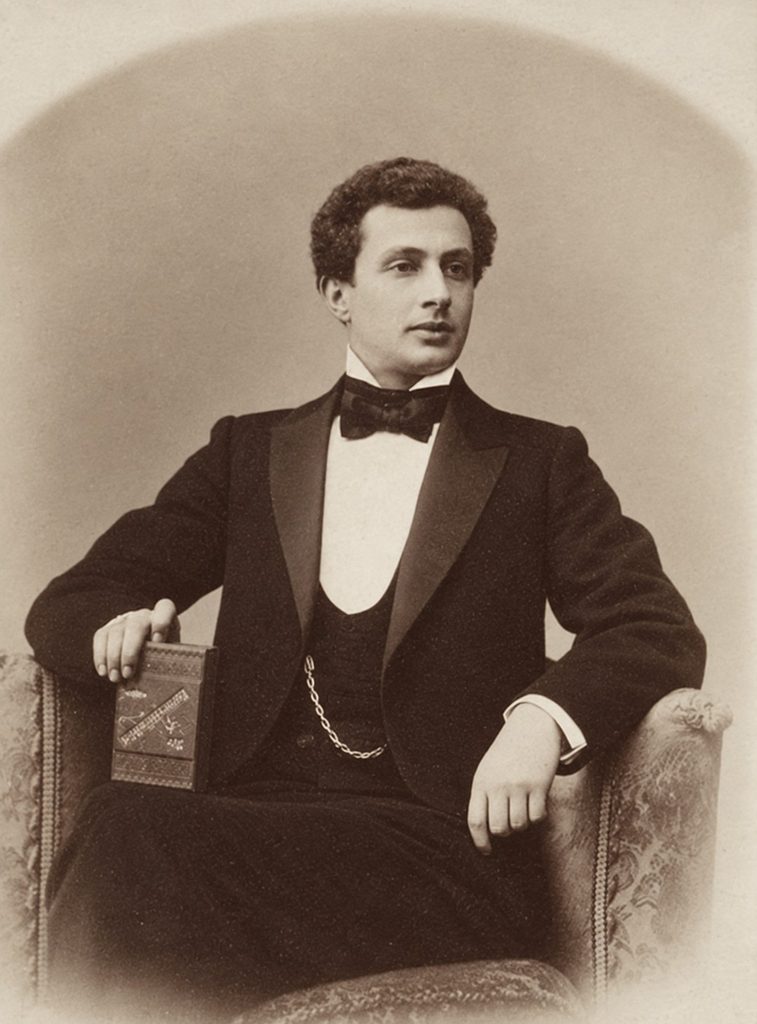
Minimalist or underspecified prompts pose significant risks in the context of image restoration. The ConservationLAB addresses these risks by moving away from free – form input in favour of a systematic hierarchy that enforces technical rigor and adherence to international preservation standards.
By automating the assembly of complex prompts, the system ensures that critical data is never omitted due to human error. This architectural approach provides a repeatable methodology for maintaining fidelity across diverse archival datasets.
2. Architectural Framework: The Modular Assembly Engine
The ConservationLAB is constructed on an “App-Shell” architecture, designed to maintain a persistent state while dynamically generating high-token-count instructions. At the heart of this engine is the build-promt function. To maintain algorithmic efficiency, the function utilizes a set rules ensuring lookups during the iterative append process. The sequence of prompt assembly follows a non-linear but strictly governed path:
Flexibility within the system is managed through “Modes,” which act as high-level configurations. These modes function as macros that alter lower-level rule dependencies and default directives, allowing the tool to pivot between distinct conservation requirements. This creates a state-driven UI where the choice of a high-level mode restricts available low-level rules.
This dynamic population serves as a safety net, ensuring the generated prompt remains anchored in a “no-harm” professional default even with minimal user input.
The ConservationLAB enforces standards through “Rule Groups” that function as technical guardrails, limiting the AI’s operational scope to verified parameters through a “whitelisting” logic. This ensures that the AI only acts within verified preservation parameters. Rather than allowing the model to exercise “creative” license – which often leads to historical inaccuracies – the architecture forces the AI to operate within the boundaries of specific, professional-grade constraints.
To ensure transparency and archival accountability, the architecture includes integrated audit and verification mechanisms. These features allow professionals to inspect the “logic chain” of a prompt before deployment.
The Audit Mechanism uses functions to provide a specialized verification layer. This maps UI elements directly to the underlying string literals, ensuring the logic chain remains unbroken and transparent. It allows a professional to verify exactly which technical rules are triggered by their selections, facilitating a “human-in-the-loop” verification process.
3. Findings.
The ConservationLAB was created because we found that using short or vague prompts forces generative AI models to fill in missing context using statistical averages and training defaults, which frequently produces generic clichés, unpredictable compositions, or visual and factual errors.
Key themes noticed:
- Uncontrolled Model Assumptions: Short prompts omit critical details like lighting, angle, mood, and art style, causing models to revert to generic, medium-shot visual defaults.
- Visual Clichés and Brand Mismatch: Vague descriptors (like “team working”) lead to uninspired stock-photo styles and fail to maintain consistent visual branding.
- Anatomical and Rendering Distortions: Under-specified image prompts lack structural guardrails, making artifacts like extra limbs, distorted faces, or garbled text more common.
- Contextual Hallucination: Across both image and text models, ambiguous inputs cause the AI to invent ungrounded details or facts to complete its output.
4. Conclusions:
The ConservationLAB represents a significant advancement in the professional application of generative AI. By replacing unpredictable natural language with a structured, modular assembly engine, the tool ensures that digital conservation remains a disciplined, repeatable, and auditable process.
Ultimately, the architectural design of the ConservationLAB demonstrates that the most effective way to utilize AI in professional domains is through a rigorous, human-in-the-loop framework that prioritizes systemic precision over autonomous generation.
5. Further Reading
Basic User Guide (pdf)